
Hazard awareness
Recognising unsafe situations at home, school, outdoors and on roads.
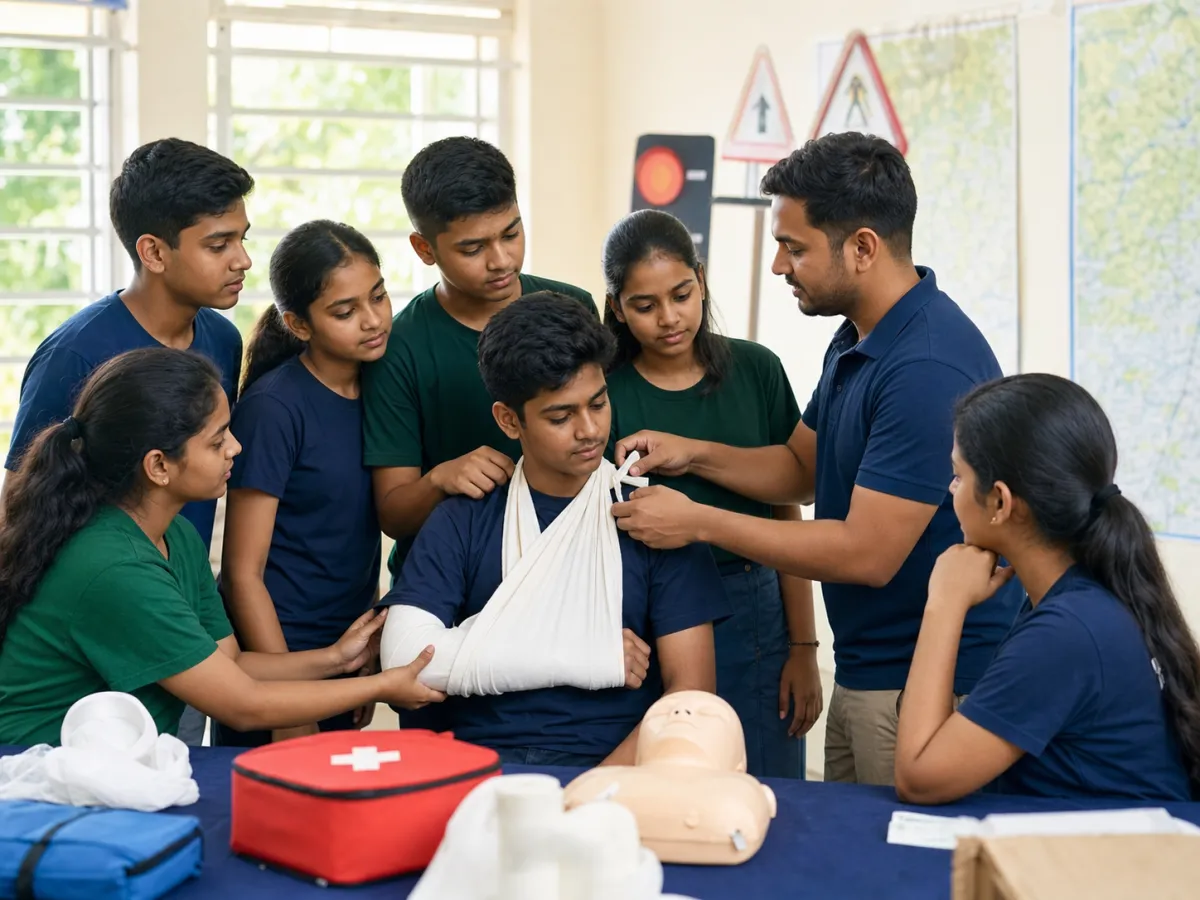
Practical safety education helping young people recognise risks, seek appropriate help and respond responsibly in everyday situations.
This program introduces age-appropriate first-aid awareness and safer road behaviour through demonstrations, discussion and supervised practice. It focuses on prevention, calm decision-making and knowing when adult or emergency support is needed.
Participants learn to notice common hazards, communicate clearly and follow basic safety steps. Older groups may practise more detailed scenarios while younger children focus on recognition, prevention and getting help.
Recognising unsafe situations at home, school, outdoors and on roads.
Clear communication with responsible adults and emergency services.
Supervised awareness of simple responses and first-aid materials.
Pedestrian awareness, visibility, signs and considerate road use.
Activities, expectations and responsibility develop progressively with age and experience.
Safety recognition, road basics and knowing how to get help.
Practical demonstrations, prevention and simple response skills.
More detailed scenarios, communication and responsible action.
Advanced participation and support for awareness activities.
Each program combines explanation, demonstration, guided practice and reflection. The exact sequence is adapted to the active group.
Ask about this programAvailability note: This is awareness and skills education. It does not replace certified medical training, professional emergency care or local road-safety requirements.
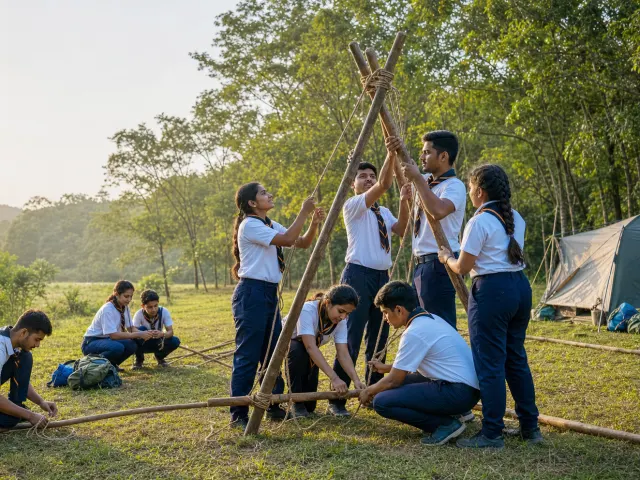
Association representatives can visit schools and colleges to train students through a four-part delivery model.
The right skills at the right time, all-round development through scouting philosophy and an inclusive approach.
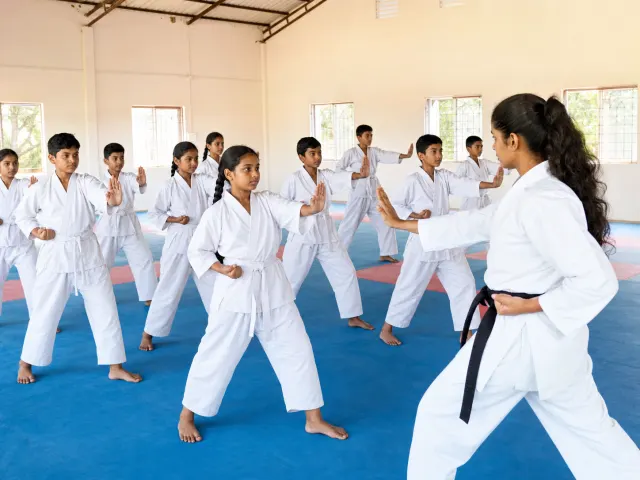
Balance between school and training, regular trainer workshops and exposure to current training practices.
Regular assessment, parent progress reports and student fitness report cards where implemented.
Necessary Scouts and Guides equipment and infrastructure required to conduct training at schools.

Ask about participation, volunteering or bringing this program to a school, college or community group.